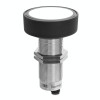
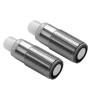
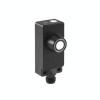
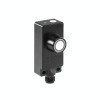
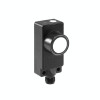
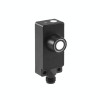
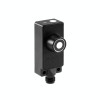
Choose a special ultrasonic sensor by application
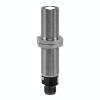
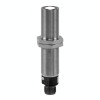
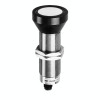
Special ultrasonic sensors differ in measuring principle, design and the environment for which they are intended. First determine whether you need to detect an object, check material layers or measure position. Choose the group according to this task and only then compare the range, outputs and mounting.
Monitoring sheets, labels and splices in material processing
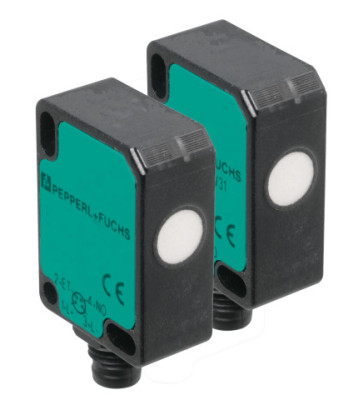
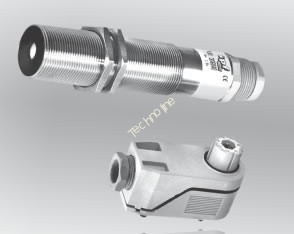
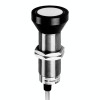
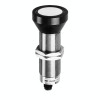
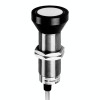
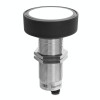
The Pepperl+Fuchs UDC series are used to monitor single and multiple feeding. For labelling and winding machines, compare ULB sensors for labels and UGB sensors for splices. For assessment, prepare an actual sample of the material, its thickness or grammage and speed of movement.
Through-beam barriers, fork sensors and hygienic versions
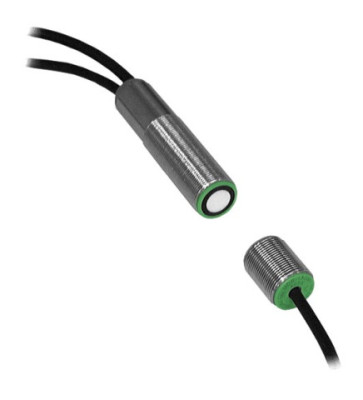
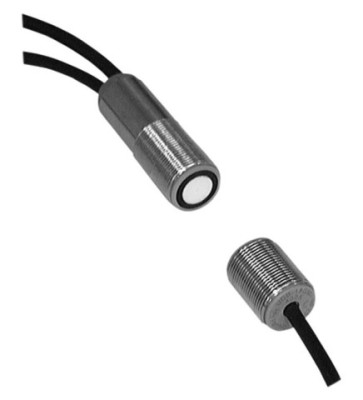
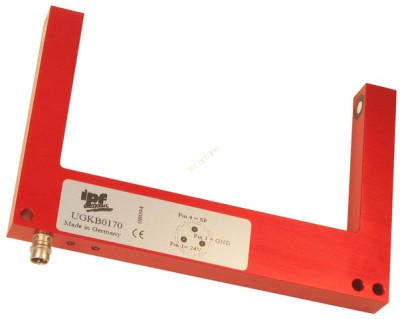
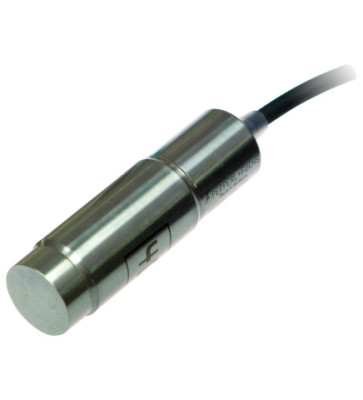
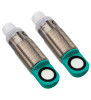
A split ultrasonic through-beam barrier uses a separate emitter and receiver. A fork housing holds both parts at a fixed distance. For cleaned environments, the range includes UMC stainless steel sensors and UME through-beam barriers; here also compare materials, mounting accessories and cleaning conditions.
Cylinder position sensors and separate evaluation units
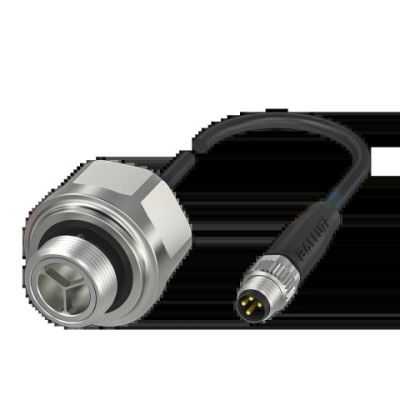
For short-stroke hydraulic cylinders, choose specialised BALLUFF BFD sensors. The variants offered monitor position in the range 0–80 mm. Amplifiers, for example IPF UV540000,, are a different type of solution: they evaluate the signal of a compatible sensing head and are selected as part of the corresponding assembly.
What to prepare for selecting or replacing a sensor
- The complete order code of the existing device and a description of the required function.
- Material, target dimensions, working distance and cycle speed.
- Drawing or dimensions of the mounting location and cable routing.
- Supply, PLC input, analogue signal or communication interface.
- Temperature, pressure, humidity and cleaning conditions according to the application.
Help with choosing a specific model is provided by TECHNOLINE technical support. For other versions, continue to the complete ultrasonic sensor catalogue or vyberte sensor cables and connectors.
Selection questions
How to recognise the correct group of special sensor?
Start with the required result: distinguishing sheet layers, labels or splices, interruption of a through-beam barrier, cylinder position or sensing in a cleaned environment. Then compare the design, speed and output of the specific series.
Can a double material sensor be replaced by an ordinary distance sensor?
These devices evaluate a different task. Double material detection distinguishes the states of sound passing through layers, while a diffuse distance sensor evaluates the echo from the target. Assess the replacement according to the function of the entire assembly.