Prices include the recycling fee.
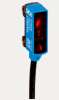
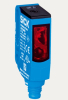
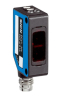
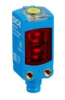
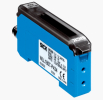
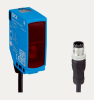
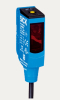
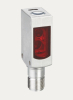
Retro-reflective laser sensors with reflector
Light path via reflector
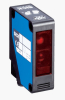
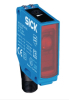
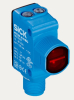
A retro-reflective sensor has the emitter and receiver in one housing; the opposite reflector returns the light. An object in the beam path changes the amount of light returning to the receiver. When designing, therefore, assess the sensor, the reflector and their position as one optical assembly. The range stated for the device may depend on the specified reflector and test conditions.
Selection data: retro-reflective laser sensors (with reflector)
| Step |
What to document |
| Identification |
sensor type and suitable reflector |
| Operating requirements |
object material and optical path |
| Acceptance |
signal reserve and output logic |
Orientation in the range
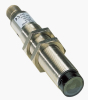
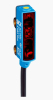
The listing includes, for example, LANBAO PSE-PM as well as items from other manufacturers. For each type, confirm the actual sensing principle and light source. Catalogue classification or a loose 'laser' designation are not in themselves technical proof. Choose the reflector according to the manufacturer's recommendation; size, structure and angular arrangement can affect the optical reserve.
Shiny and transparent objects
A shiny object may return light by a different path than the reflector. A polarised version can help distinguish the reflection, but its suitability must be confirmed by the specific model and a test. With transparent material, the light may not be completely interrupted. Look for a version designed for the application and verify the contrast on the actual packaging, including its shape and filling.
Adjustment and operating reserve
First fix the sensor and reflector, then set the optical axis and carry out the prescribed adjustment. Test the positional tolerances and contamination conditions permitted by maintenance. An assembly that operates just at the detection limit after cleaning may not have sufficient reserve for normal operation. The length of the detection pulse also depends on the object size and speed of movement.
Electrical logic and acceptance
Write down which output state should mean a clear path and which the presence of an object. PNP/NPN describes the electrical interface, not automatically this logical meaning. Verify the sensor response and the control input together. Also include beam interruption at various points, bracket stability and optics cleaning in the acceptance. Process object detection must not be confused with personnel protection without documentation.
FAQ
Can I use any mirror?
Use a reflector confirmed for the specific sensor and distance. An ordinary flat mirror is not a universal substitute.
Is the sensor in this branch always retro-reflective and laser?
Verify the actual principle and light source in the documentation of the specific item.
Related selection: Diffuse laser sensors (reflection from material) · Through-beam laser barriers (receiver + emitter).
Documents for further verification: manufacturer's documentation.